If you're hiring salespeople, you've probably asked yourself: should I use AI recruiting tools or stick with a human recruiter?
It's a fair question. Traditional human recruiters bring intuition and relationship skills. AI recruiting platforms promise speed, scale, and data-driven decisions. But when it comes to finding actual closers - people who can hit quota, thrive in commission-based roles, and stick around longer than 90 days - which approach actually wins?
Let's break down the real pros and cons of AI vs human recruiters, specifically for sales hiring.
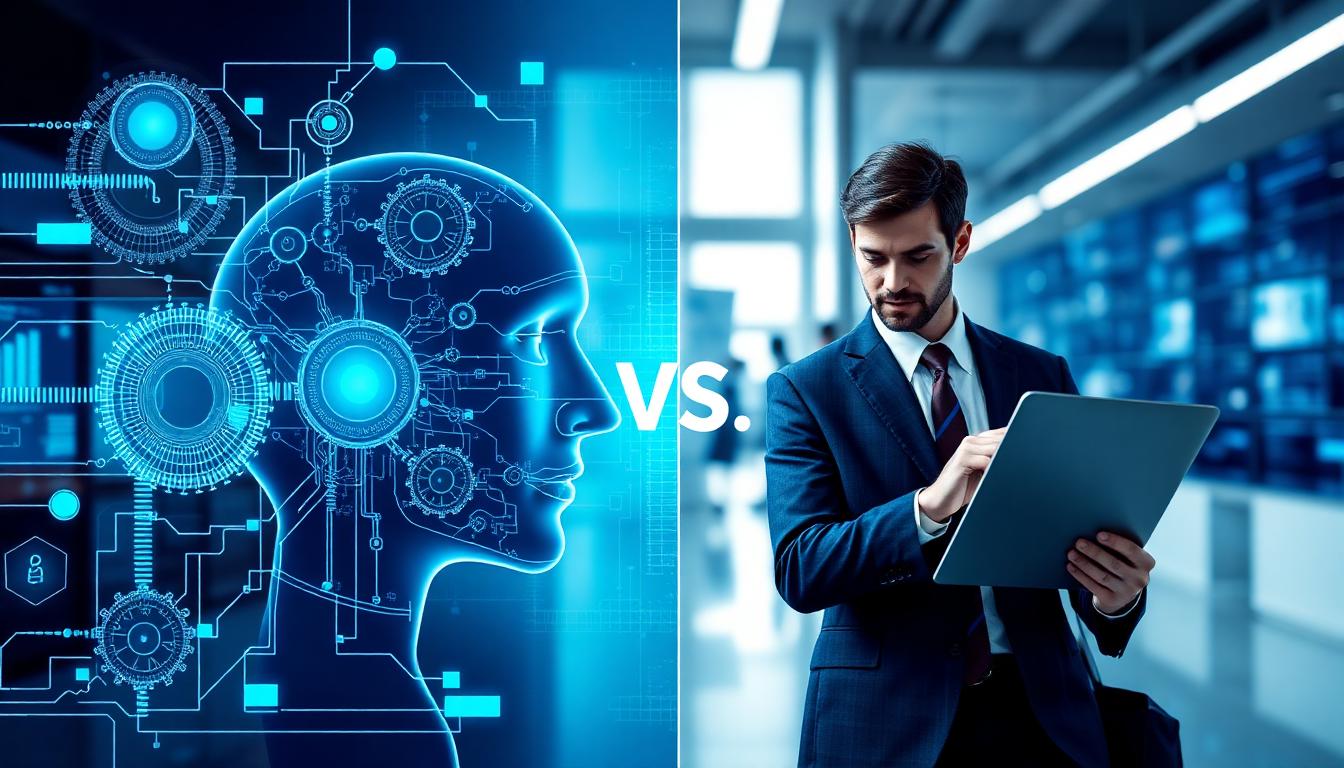
What Human Recruiters Bring to the Table
Human sales recruiters have been the default for decades. They build networks, conduct interviews, and claim to have a "gut feel" for who will succeed in sales.
Here's what they're genuinely good at:
Relationship building. Good recruiters can sell candidates on your opportunity, especially passive candidates who aren't actively looking.
Nuanced judgment. A seasoned recruiter can pick up on red flags during a conversation - hesitation about commission structures, lack of hunger, cultural mismatches.
Flexibility. Humans adapt. If your ideal candidate profile shifts mid-search, a recruiter can pivot without needing to be reprogrammed.
But here's the problem: human recruiters don't scale, and their quality is wildly inconsistent.
The Downsides of Human Recruiters for Sales Hiring
Even great human recruiters hit walls when hiring salespeople:
Volume kills quality. Sales hiring often means sorting through hundreds of applicants. A recruiter can only screen so many people before fatigue sets in. The 200th resume gets way less attention than the 20th.
Bias creeps in. Humans have unconscious biases - toward certain schools, past employers, communication styles, or even names on a resume. This limits your talent pool and leads to homogenous teams.
Inconsistent evaluation. One recruiter might prioritize hustle. Another values polish. Without a unified framework, you're not comparing apples to apples. This is especially problematic for commission-only sales roles, where many recruiters carry outdated stigmas and screen out high-potential candidates based on assumptions rather than data.
They're expensive and slow. Recruiters typically charge 15–25% of first-year salary. For high-volume sales hiring, those fees add up fast. And the process? Often takes weeks or months.
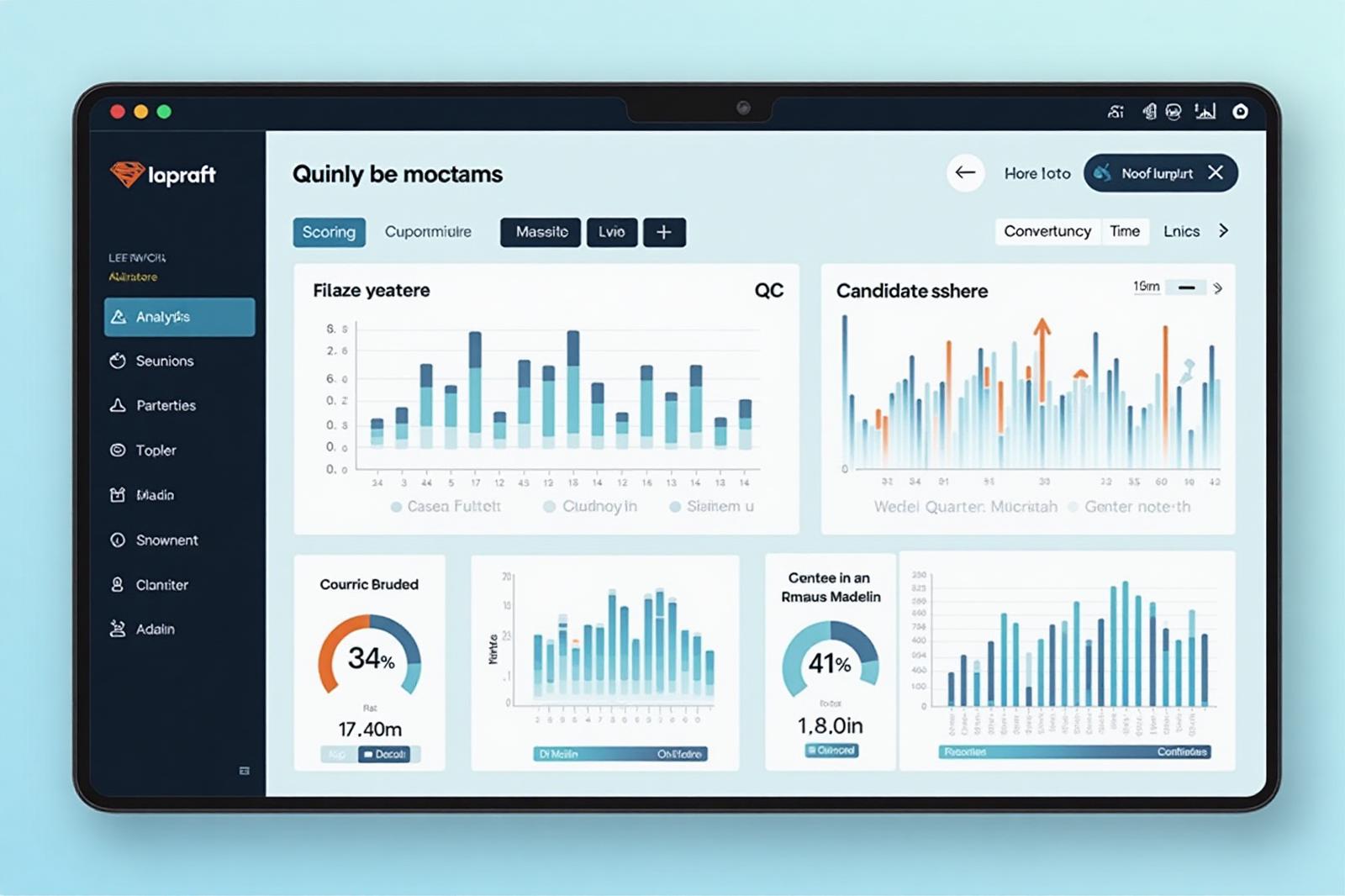
What AI Recruiting Tools Bring to the Table
AI recruiting platforms have exploded in popularity for one big reason: they can process massive amounts of candidates without breaking a sweat.
Here's where AI shines:
Scale and speed. AI can screen thousands of applicants in minutes. It evaluates resumes, matches skills to job requirements, ranks candidates, and conducts initial assessments - all while your human recruiter is still on their second cup of coffee.
Consistency. AI doesn't get tired. It doesn't have a bad day. Every candidate gets evaluated using the same criteria, which means fairer, more reliable comparisons across your pipeline.
Bias reduction. When configured correctly, AI can ignore factors like name, gender, or alma mater and focus purely on relevant qualifications and behaviors. This opens up your talent pool and helps you find hidden gems that human bias might overlook.
Data-driven insights. AI doesn't rely on gut feelings. It uses historical performance data and pattern recognition to identify what actually correlates with sales success.
The Downsides of AI Recruiting Tools
But AI isn't perfect. Generic AI recruiting tools have real limitations:
Lack of sales-specific training. Most AI recruiting platforms are built for general HR use cases. They're not trained on what makes a great salesperson. They might rank someone highly because of their resume formatting, not because they can actually close deals.
Misses intangibles. Sales is about hustle, resilience, and hunger. These traits don't always show up neatly on a resume. A generic AI tool might filter out a scrappy closer with a non-linear career path in favor of someone with a polished LinkedIn profile and zero grit.
Can feel impersonal. Top sales candidates want to feel wanted. An overly automated process with no human touchpoint can turn off A-players who have options.
The real risk with AI recruiting tools isn't the technology itself - it's using the wrong AI for the wrong role.
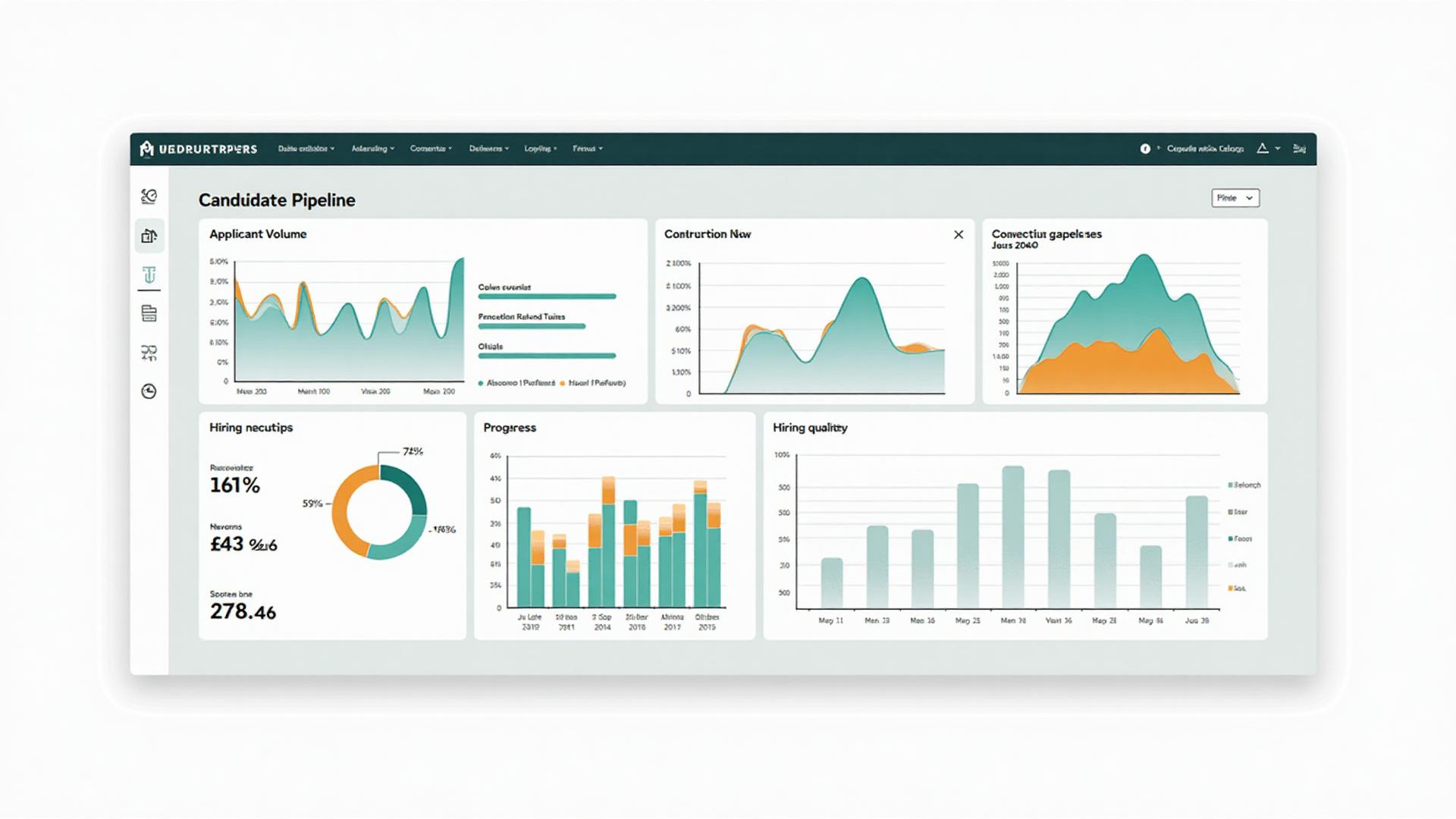
So Which One Wins for Sales Hiring?
Here's the truth: neither traditional human recruiters nor generic AI tools are consistently great at finding top salespeople.
Human recruiters struggle with volume, consistency, and bias. Generic AI tools lack the sales-specific intelligence to identify what actually drives quota attainment.
The real answer? Sales-specific AI that's designed for the unique demands of hiring closers.
The Winning Model: AI Built for Sales
The best sales hiring outcomes come from AI platforms that:
- Screen at scale without sacrificing quality
- Evaluate sales-specific traits like resilience, communication style, and motivation for commission-based comp
- Reduce bias while still identifying intangibles that matter in sales
- Move fast so you're not losing top candidates to competitors
This model doesn't replace human judgment entirely - it augments it. AI handles the heavy lifting (screening, scoring, pattern recognition), while humans focus on relationship-building and closing candidates.
And critically, sales-specific AI is trained on what actually works in sales hiring, not generic HR data. It understands why commission-only roles require different evaluation criteria. It's built to find people who will actually hit quota, not just people who interview well.
What About Commission-Only Sales Recruiting?
Let's talk about the elephant in the room: commission-only sales roles.
Many recruiters (human and AI alike) treat them as "red flags" or filter them out entirely, assuming they're low-quality opportunities.
That's a huge miss.
Commission-only sales roles attract a specific type of person - someone who's confident in their ability to earn, motivated by upside, and comfortable with risk. These are often your highest performers. But traditional recruiting approaches stigmatize these roles and screen out exactly the people who would thrive in them.
Sales-specific AI can be trained to recognize commission-based roles as valid, high-value opportunities and to identify candidates who are genuinely motivated by that structure.

The Bottom Line: AI Wins, But Only If It's Built for Sales
The real competitive advantage comes from using AI that's purpose-built for sales hiring - AI that understands what makes salespeople successful, that can screen at scale without losing quality, and that eliminates the biases and inconsistencies that plague traditional recruiting.
Human recruiters still have a role to play - especially in closing candidates - but the screening, scoring, and pipeline management? That's where AI dominates.
The future of sales hiring isn't human vs. AI. It's AI doing what it does best (speed, scale, consistency) so humans can do what they do best (relationship-building and closing).
Ready to Hire Better Salespeople, Faster?
If you're tired of sifting through underqualified applicants, paying high recruiter fees, or watching top candidates slip through the cracks, it's time to try a smarter approach.
SalesDraft combines AI-driven screening with sales-specific insights to help you find commission-ready closers fast. Whether you're hiring for inside sales, field sales, or commission-only roles, our platform eliminates the guesswork and delivers candidates who are actually built for quota-carrying work.
Stop choosing between slow human recruiters and generic AI tools. Get the best of both worlds.
Book a demo today and see how SalesDraft can transform your sales hiring process.